
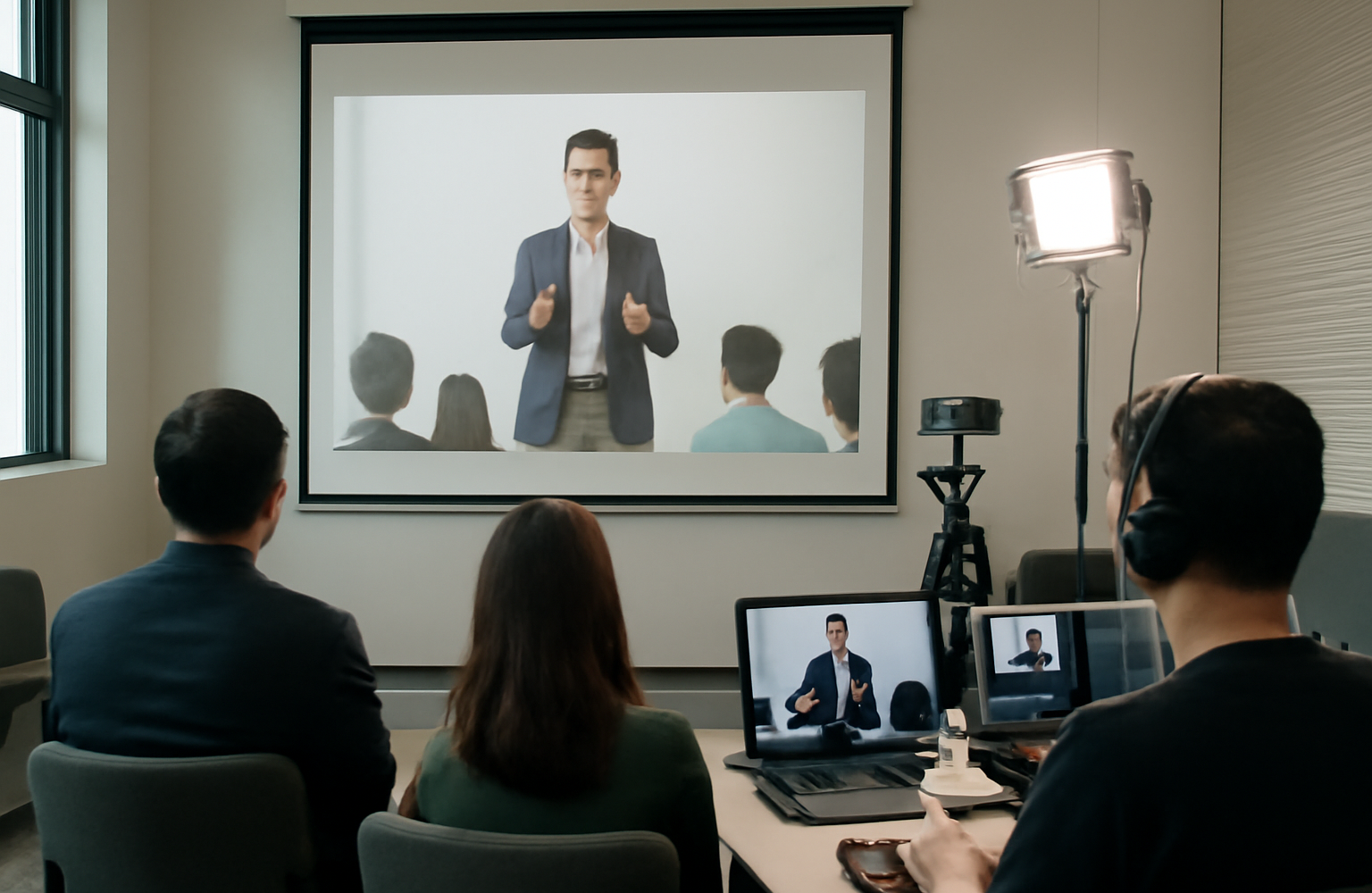
A hybrid event in Singapore brings an in-room audience and a remote one together in real time — and done well, it multiplies your reach without multiplying your venue costs. But hybrid is not simply an in-person event with a camera pointed at the stage; it demands deliberate planning around AV, streaming, and keeping two very different audiences engaged at once. This guide walks through the setup, the tools and the pitfalls so your next hybrid event lands for everyone watching.
Why hybrid events make sense in Singapore
Hybrid formats took hold during the pandemic and have stuck around because they solve real problems. For Singapore organisers with regional teams, overseas clients or a distributed workforce, hybrid lets you gather a core group in person while opening the doors to anyone who cannot travel.
- Wider reach — remote delegates across the region join without flights or hotels.
- Flexibility — attendees choose the format that suits them, lifting overall turnout.
- Content longevity — recorded sessions become on-demand assets for later.
- Cost efficiency — a smaller physical footprint can serve a larger total audience.
The trade-off is complexity. A hybrid event has more that can go wrong technically, so preparation is everything.
The AV and streaming setup for a hybrid event
Technology is the backbone of any hybrid event in Singapore, and cutting corners here is where most fail. You are effectively producing a live broadcast alongside a live event, so plan the kit properly and rehearse it.
- Cameras — at least two: a wide shot of the stage and a closer angle on the speaker, switched by an operator.
- Audio — a proper sound feed straight from the mixing desk, not a camera mic, so remote viewers hear clearly.
- Screens and staging — LED walls or projection so the in-room audience sees remote speakers and shared content.
- Streaming platform — a reliable platform with chat, Q&A and polling for the remote crowd.
- Stable connectivity — a dedicated, hardwired internet line, never shared venue Wi-Fi, with a backup connection.
A robust LED screen and staging setup lets your in-room audience engage with remote participants and shared slides on a bright, readable display — the visual anchor that makes a hybrid room feel connected rather than divided.
Keeping both audiences engaged
The classic hybrid mistake is treating the remote audience as an afterthought — a camera in the corner while the real event happens in the room. Remote viewers disengage fast if they feel like spectators. Design for both audiences equally.
- A dedicated remote host — someone who welcomes online viewers, reads their chat and voices their questions to the room.
- Live polls and Q&A — interactive tools that let remote delegates shape the session in real time.
- Speakers who address the camera — brief presenters to acknowledge the online audience directly.
- Networking for remote guests — breakout rooms or a virtual lounge so online delegates connect too.
Choosing the right venue
Not every space suits a hybrid event. You need room for cameras, cabling and a control position, plus reliable power and connectivity. Look for a venue with good sightlines, a stage or clear focal point, and staff who are comfortable hosting production crews. Ceiling height and lighting matter too, since a well-lit stage reads far better on camera. Studio-loft spaces and purpose-built function rooms often work better than a plain meeting room, so shortlist venues with production in mind.
Budgeting for a hybrid event
Hybrid adds cost on top of a standard event — cameras, crew, streaming platform and connectivity all have a price. Rather than a vague estimate, build your budget from these line items and get quotes for each.
- AV and production crew — cameras, switching, audio and technicians, usually the largest hybrid-specific cost.
- Streaming platform — licensing for the number of remote attendees and the features you need.
- Connectivity — a dedicated internet line and a backup connection.
- Content production — graphics, lower-thirds and pre-recorded segments to lift production value.
- Contingency — a 10–15% buffer for the technical unknowns that hybrid inevitably brings.
Costs vary widely with scale and production ambition, so request a quote based on your headcount, session count and how polished you want the stream to look.
Rehearse, then rehearse again
A full technical rehearsal is non-negotiable for a hybrid event. Test every camera angle, the audio feed, the stream on an actual remote device, and the transitions between speakers. Have speakers run through their segments so they are comfortable with the format. A rehearsal catches the problems — a weak mic, a laggy stream, a slide that will not share — while there is still time to fix them, rather than in front of a live audience.
Frequently asked questions
What makes a hybrid event different from a virtual one?
A hybrid event runs an in-person audience and a remote audience simultaneously, in real time. A virtual event is fully online. Hybrid is more complex because you are producing a live event and a live broadcast at once, and must keep both audiences engaged.
What internet setup do I need for streaming?
A dedicated, hardwired internet line for the stream, never shared venue Wi-Fi, with a backup connection such as a second line or mobile hotspot. Insufficient, unstable bandwidth is the most common cause of a failed hybrid stream.
How do I keep remote attendees engaged?
Give them a dedicated host who reads their chat and voices their questions, use live polls and Q&A, brief speakers to address the camera, and offer networking options for online guests. Treat the remote audience as equal participants, not spectators.
How much does a hybrid event cost in Singapore?
It depends on scale and production quality — the main added costs are the AV crew, streaming platform, connectivity and content production. Because these vary widely, request a quote based on your headcount, number of sessions and desired production value.
Do I really need a technical rehearsal?
Yes. A full rehearsal testing cameras, audio, the live stream on a real remote device and speaker transitions is the single best safeguard against on-the-day failures. It gives you time to fix problems before the audience is watching.
Plan a hybrid event that works for everyone
Hybrid events reward careful planning and the right production partner. If you would like one team to handle staging, streaming and coordination so both your audiences get a seamless experience, explore our corporate events services and request a quote — share your dates, headcount and remote reach, and we will design a setup that delivers.